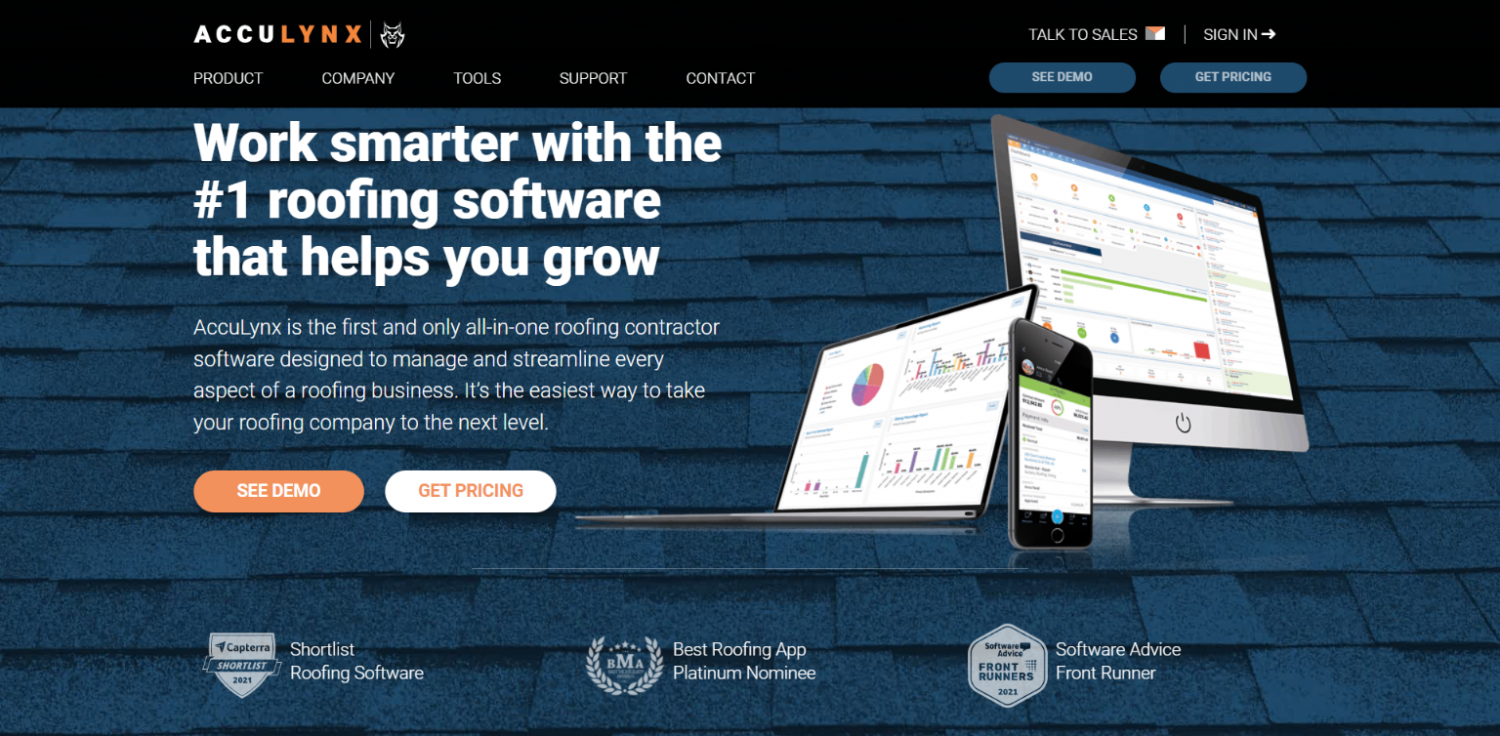
Welcome to the world of plumbing, where efficiency and customer satisfaction are key to success. One of the most powerful tools that plumbing companies can use to streamline operations and enhance customer relationships is CRM (Customer Relationship Management) software. By leveraging CRM technology, plumbing companies can maximize efficiency in scheduling, communication, and service delivery, ultimately leading to happier customers and increased revenue. In this article, we will explore how CRM systems can revolutionize the way plumbing companies do business, helping them stay ahead of the competition and provide top-notch service to their clients.
Benefits of CRM for Plumbing Companies
Customer relationship management (CRM) software can be a game-changer for plumbing companies looking to streamline their operations and improve customer satisfaction. By implementing a CRM system, plumbing companies can benefit in various ways, including:
1. Improved Customer Communication: With CRM software, plumbing companies can easily keep track of customer interactions, preferences, and service history. This allows the company to personalize their communication with customers, address their specific needs, and provide better service overall. By having a centralized database of customer information, plumbers can quickly access important details such as past work done, upcoming appointments, and any special requests, enabling them to deliver top-notch service and build strong relationships with clients. Additionally, CRM systems often come with communication tools such as email and SMS integration, making it easier for plumbing companies to stay in touch with customers and provide timely updates on their projects.
Implementing CRM software can also help plumbing companies stay organized and efficient in managing their customer relationships. By having all customer data in one place, plumbers can easily track customer inquiries, service requests, and follow-ups. This not only saves time and minimizes errors but also ensures that no customer falls through the cracks. Additionally, CRM systems often come with automation features that can streamline repetitive tasks such as appointment scheduling, invoicing, and follow-up emails, allowing plumbers to focus on providing exceptional service to their customers.
Furthermore, CRM software can provide valuable insights into customer behavior and preferences, allowing plumbing companies to tailor their services to meet the unique needs of their clients. By analyzing customer data such as service history, purchase patterns, and feedback, plumbers can identify trends, anticipate customer needs, and offer personalized recommendations. This not only enhances the customer experience but also helps plumbing companies attract and retain loyal customers.
In conclusion, CRM software offers numerous benefits for plumbing companies, including improved customer communication, organizational efficiency, and customer insights. By implementing a CRM system, plumbing companies can enhance their service delivery, build stronger customer relationships, and ultimately, grow their business.
Improving Customer Relationships with CRM
CRM (Customer Relationship Management) software for plumbing companies can greatly enhance the way you interact with your customers. By keeping track of customer information, communication history, and service requests, CRM software enables plumbing companies to provide personalized and efficient service to their customers.
One of the key benefits of using CRM for plumbing companies is the ability to track customer interactions. With CRM software, you can easily see when a customer last contacted your company, what services they have used in the past, and any special requests or preferences they have. This information allows you to personalize your interactions with customers, making them feel valued and appreciated.
In addition to tracking customer interactions, CRM software can also help plumbing companies streamline their operations. By centralizing customer information and communication history in one place, CRM software eliminates the need for manual record-keeping and reduces the risk of errors. This means that your team can focus on providing excellent service to customers, rather than getting bogged down with administrative tasks.
Another key feature of CRM for plumbing companies is the ability to set reminders and alerts. With CRM software, you can set reminders for follow-up calls, service appointments, or other important tasks. This ensures that no customer falls through the cracks and helps you stay on top of your customer service game.
Moreover, CRM software can help you track customer feedback and reviews. By collecting and analyzing customer feedback, plumbing companies can identify areas for improvement and take steps to enhance the customer experience. This proactive approach to customer feedback can help you build a loyal customer base and attract new customers through positive word-of-mouth marketing.
Overall, CRM software can revolutionize the way plumbing companies interact with their customers. By centralizing customer information, streamlining operations, setting reminders and alerts, and tracking customer feedback, CRM software allows plumbing companies to provide personalized and efficient service to their customers. With the right CRM solution in place, plumbing companies can build strong, long-lasting relationships with their customers and stand out from the competition.
Streamlining Operations with CRM Software
Customer Relationship Management (CRM) software has revolutionized the way plumbing companies manage their operations. By implementing CRM software, plumbing companies are able to streamline their processes, improve efficiency, and ultimately provide better service to their customers.
One of the key features of CRM software is its ability to centralize customer information. Instead of having customer data spread out across various platforms, CRM software allows plumbing companies to store all customer information in one place. This makes it easy for employees to access important information such as contact details, service history, and preferences. With all relevant information at their fingertips, employees can provide a more personalized and efficient service to customers.
In addition to centralizing customer information, CRM software also helps plumbing companies track and manage their leads. By using CRM software to track leads, plumbing companies can identify potential customers and prioritize them based on their likelihood of conversion. This allows employees to focus their efforts on leads that are more likely to result in a sale, ultimately increasing the company’s revenue.
Furthermore, CRM software can automate many administrative tasks, such as scheduling appointments, sending reminders, and generating invoices. By automating these tasks, plumbing companies can save time and reduce the risk of errors. This allows employees to focus on providing high-quality service to customers, rather than getting bogged down with administrative duties.
Another key benefit of CRM software for plumbing companies is its ability to generate reports and analytics. By analyzing data collected through the CRM software, plumbing companies can gain valuable insights into their operations. For example, they can identify common customer complaints, track the performance of their employees, and measure the success of their marketing campaigns. This data-driven approach allows plumbing companies to make informed decisions that can drive growth and improve customer satisfaction.
Overall, CRM software is a valuable tool for plumbing companies looking to streamline their operations and improve their efficiency. By centralizing customer information, tracking leads, automating administrative tasks, and generating reports, CRM software allows plumbing companies to provide better service to their customers and ultimately grow their business.
Increasing Sales and Retention Rates through CRM
Implementing a CRM system in your plumbing company can significantly impact your sales and retention rates. By utilizing the data collected in the CRM database, you can better understand your customers’ needs and preferences, enabling you to tailor your services to meet their requirements. This personalized approach not only enhances customer satisfaction but also increases the likelihood of repeat business and referrals.
One of the key features of CRM for plumbing companies is lead management. By tracking and analyzing customer interactions, you can identify potential leads and prioritize them based on their likelihood to convert. This allows you to focus your efforts on the most promising prospects, maximizing your sales opportunities and ultimately boosting revenue.
Furthermore, CRM can help streamline your sales process by providing real-time data on customer interactions and preferences. This allows your sales team to respond promptly to inquiries, follow up on leads, and provide customized recommendations. By improving the efficiency and effectiveness of your sales efforts, you can increase your conversion rates and drive growth in your plumbing business.
In addition to increasing sales, CRM can also play a crucial role in customer retention. By maintaining detailed records of customer interactions, preferences, and purchase history, you can develop personalized marketing campaigns and loyalty programs. These initiatives help strengthen customer relationships, encourage repeat business, and foster long-term loyalty.
Moreover, CRM enables you to track customer feedback and satisfaction levels, allowing you to address any issues promptly and effectively. By resolving customer complaints and concerns in a timely manner, you can demonstrate your commitment to quality service and build trust with your customers. This proactive approach to customer service not only enhances customer satisfaction but also reduces the risk of customer churn.
Ultimately, implementing a CRM system in your plumbing company can transform your sales and retention rates. By leveraging the power of data-driven insights and personalized communication, you can enhance customer relationships, drive sales growth, and build a loyal customer base. With CRM, you can take your plumbing business to new heights of success and profitability.
Implementing CRM Strategies for Plumbing Business Success
Implementing Customer Relationship Management (CRM) strategies in your plumbing business can lead to increased client satisfaction, improved efficiency, and ultimately, greater success. Here are five key steps to successfully implement CRM strategies for your plumbing company:
1. Understand Your Customer
The first step in implementing CRM strategies is to truly understand your customer base. This means gathering data on your clients’ preferences, habits, and needs. By having a clear understanding of who your customers are and what they want, you can tailor your services to better meet their expectations.
2. Choose the Right CRM System
Once you have a good understanding of your customers, the next step is to choose the right CRM system for your plumbing business. There are many CRM software options available, so it’s important to carefully consider your specific needs and budget before making a decision. Look for a system that is user-friendly, customizable, and integrates well with your existing systems.
3. Train Your Team
Implementing a CRM system will only be effective if your team is properly trained on how to use it. Make sure to provide thorough training for all employees who will be using the CRM software. This will help ensure that everyone is on the same page and using the system to its full potential.
4. Use Data to Drive Decisions
One of the key benefits of CRM systems is the ability to gather and analyze data on your customers’ interactions with your business. Use this data to drive decisions about marketing strategies, customer service improvements, and overall business growth. By leveraging data effectively, you can make more informed decisions that lead to greater success for your plumbing company.
5. Create a Customer-Centric Culture
Ultimately, the most successful CRM strategies stem from creating a customer-centric culture within your plumbing company. This means putting the needs and preferences of your customers at the forefront of all business decisions. Encourage your team to prioritize customer satisfaction, and use the CRM system to deliver personalized service that exceeds expectations.
By following these five key steps, you can successfully implement CRM strategies that lead to greater success for your plumbing business. Remember, the key to effective CRM is understanding your customer, choosing the right system, training your team, using data to drive decisions, and creating a customer-centric culture within your company.
Originally posted 2025-03-12 15:00:00.